the shelf
Things I've read and carried. Novels, mostly. The ones that changed something or refused to leave.
Amor Towles
The most quietly joyful book I've read in years. It's about a man who loses everything — freedom, status, the world — and responds with elegance and curiosity. Towles writes with such warmth. I read it during a strange, stuck period of my own life and it did something useful to me.
James Baldwin
Brutally short and impossible to forget. Baldwin writes about love and cowardice in a way that makes cowardice feel like the original sin — not the failure of loving, but the failure of admitting you do. The prose is clean and absolutely unforgiving. A book about self-deception that doesn't let you be self-deceived while reading it.
Sally Rooney
Rooney writes interiority like no one else. You spend the whole book frustrated that they won't just talk to each other — and then you realise that's the point. The miscommunication isn't a plot device. It's the subject. I recognised too much of myself in both of them.
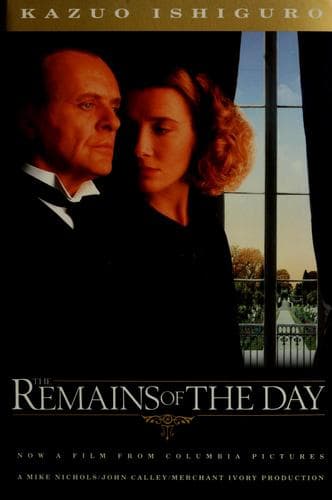
Kazuo Ishiguro
Stevens drives across England and constructs a perfect defense of every choice he ever made. By the end you understand exactly why he needed to build it. The restraint is almost unbearable — every scene where he almost says the thing and doesn't. Ishiguro's greatest book, I think. And that's saying something.
John Williams
The saddest book I've read about a life that looks, from the outside, like a failure. Stoner becomes a professor, has a miserable marriage, one love affair, one friendship that matters. The world ignores him almost completely. And yet the prose won't let you ignore him. It insists his life mattered. It insists yours does too.
Susanna Clarke
Unlike anything else I've read. It starts as a puzzle and ends as something tender and strange. Clarke builds a world with such internal logic that by the time you understand what's happening, you've already accepted all of it completely. I finished it in one afternoon and sat with it for days.
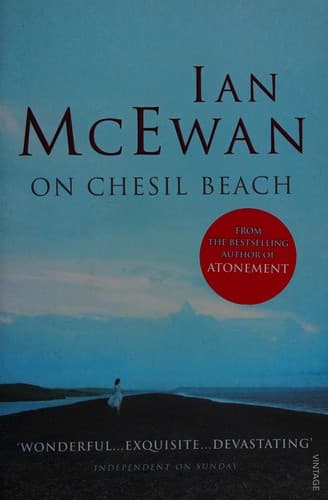
Read it in one sitting and spent a week quieter than usual. What it says about memory, complicity, and the smallness of our rebellions has no clean resolution — and that's the point. I kept waiting for them to fight back. They never do. Neither, the book implies, do most of us.
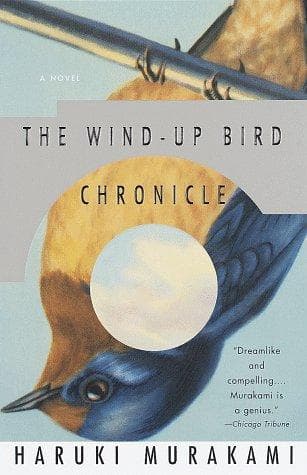
Haruki Murakami
The most Murakami of all Murakami books — which is either a recommendation or a warning depending on you. Reality dissolves slowly enough that you don't notice until you're already in the well. The war sections hit like cold water. I've thought about the man at the bottom of the dry well more than once since.